Uncorking the Myths: Understanding the Complexities of Wine Tasting
By Caleb Patel · · 4 min read
Wine tasting can often seem intimidating, filled with jargon and an endless array of grape varieties. However, understanding the essence of wine tasting is crucial for both novices and connoisseurs alike. This article aims to demystify the wine tasting process, offering insights into its nuances and providing practical tips to enhance your experience.
The Basics of Wine Tasting
At its core, wine tasting is a sensory experience that involves evaluating the appearance, aroma, taste, and finish of a wine. While it may appear straightforward, the process encompasses various elements that contribute to the overall appreciation of the wine.
Appearance: The First Impression
The first step in tasting wine starts with observation. Pour the wine into a clean glass and hold it against a white background to assess its color and clarity. Pay attention to the following:
- Color: The hue can vary depending on the grape variety, vintage, and aging process. For instance, a young red wine may appear vibrant and deep purple, while an older red wine might exhibit brick-like tones.
- Clarity: A clear wine indicates proper filtration and is typically a sign of quality. Cloudiness or sediment can suggest issues but can also be characteristic of natural wines.
Aroma: The Olfactory Journey
The nose plays a significant role in wine tasting, as a substantial portion of flavor is derived from aroma. Swirl the wine gently in the glass to aerate it, releasing volatile compounds. Then, take a moment to inhale deeply. Here’s what to look for:
- Primary Aromas: These arise from the grape variety itself and are typically fruity, floral, or herbal.
- Secondary Aromas: These are influenced by the winemaking process, like fermentation and aging, and may present notes of vanilla, toast, or butter.
- Tertiary Aromas: Found in aged wines, these aromas develop over time and can include earthy, nutty, or spicy notes.
Taste: The Flavor Profile
After indulging your senses in the aroma, it’s time to taste. Take a small sip, allowing the wine to coat your palate. Focus on the following aspects:
- Sweetness: Determine the level of sweetness, ranging from bone-dry to sweet dessert wines. A dry wine typically has less than 1% residual sugar.
- Acidity: This gives wine its crispness and balance. High acidity can make wines refreshing, while low acidity may result in a flatter taste.
- Tannin: Present primarily in red wines, tannins contribute to the mouthfeel and structure. They can create a drying sensation, often described as astringency.
- Body: This refers to the weight of the wine in your mouth. Light-bodied wines feel delicate, while full-bodied wines provide a more robust experience.
- Flavor Intensity: Consider how pronounced the flavors are. Some wines offer subtle notes, while others present a bold array of flavors.
Finish: The Lasting Impression
After swallowing or spitting the wine, pay attention to the finish. This is the lingering taste and sensation after the wine has left your palate. A long, pleasing finish often indicates a higher-quality wine. Reflect on the flavors that remain and whether they evolve after swallowing.
The Importance of Context
While the technical aspects of wine tasting are crucial, context greatly enhances the experience. Factors such as the setting, food pairings, and company can all affect how a wine is perceived.
The Setting
When tasting wine, the setting can deeply influence your sensory perceptions. A serene environment, free of distractions, allows for a more profound appreciation. Whether at a vineyard, a cozy restaurant, or at home, aim for a comfortable atmosphere that invites exploration.
Food Pairings
Wine and food pairing is an art that can elevate both components of the meal. The right combination can enhance flavors and create a harmonious experience. For example:
- Red wines often pair well with rich meats and dishes, bringing out the tannins and adding depth.
- White wines tend to complement lighter fare, such as seafood or salads, where acidity can play a balancing role.
Experimenting with different pairings can lead to delightful discoveries and a new understanding of flavor dynamics.
The Company
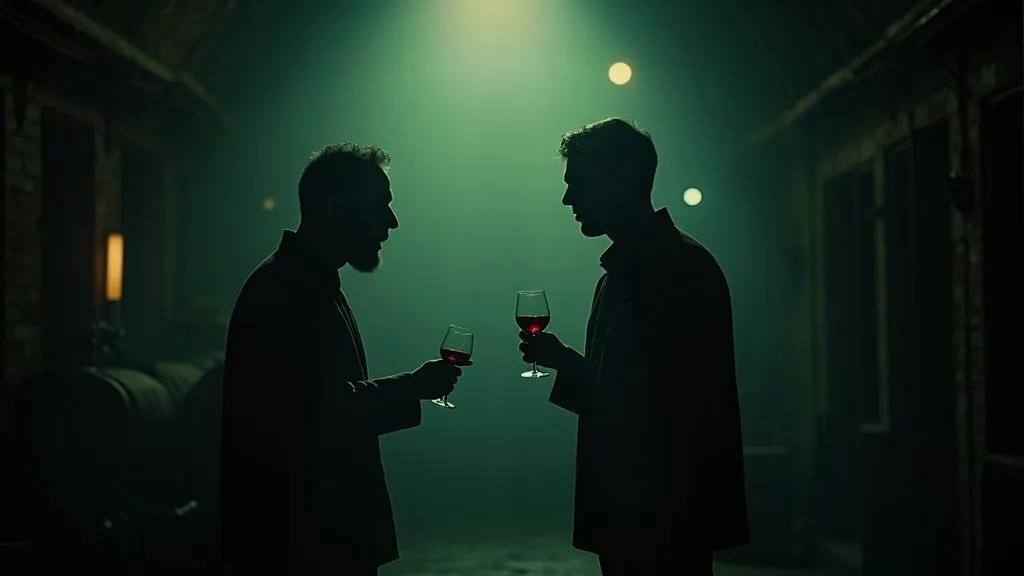
Wine tasting can be a social experience. Sharing your thoughts and insights with fellow enthusiasts can enrich the conversation and broaden your understanding. Engaging with others allows for the exchange of ideas, preferences, and discoveries that can enhance your appreciation of wine.
Overcoming Common Misconceptions
Wine tasting is often shrouded in myths and misconceptions that can deter newcomers. Here are a few of the most common myths debunked:
You Must Be an Expert
Many people believe that wine tasting is reserved for experts or sommeliers. In reality, anyone can enjoy the process. Wine tasting is subjective, and personal preferences should guide your experience.
Expensive Wine Equals Quality
While price can sometimes be an indicator of quality, it is not a foolproof measure. Many affordable wines offer exceptional flavors and quality. Exploring wines across different price ranges can lead to pleasant surprises.
You Must Use Specific Glassware
Though certain wines do benefit from specific glass shapes, the most important factor is that the glass is clean and has enough room for aeration. Don’t hesitate to use what you have on hand.
Conclusion: Embrace the Journey
Wine tasting is more than just a checklist of aromas and flavors; it’s an immersive experience that encourages exploration and personal connection. By understanding the fundamentals and overcoming common misconceptions, you can approach wine tasting with confidence and curiosity. So, pour a glass, gather some friends, and embark on your journey to enjoy the complexities of wine. Cheers!