Unveiling the Secrets of Wine Tasting: A Guide for Enthusiasts
By Caleb Patel · · 4 min read
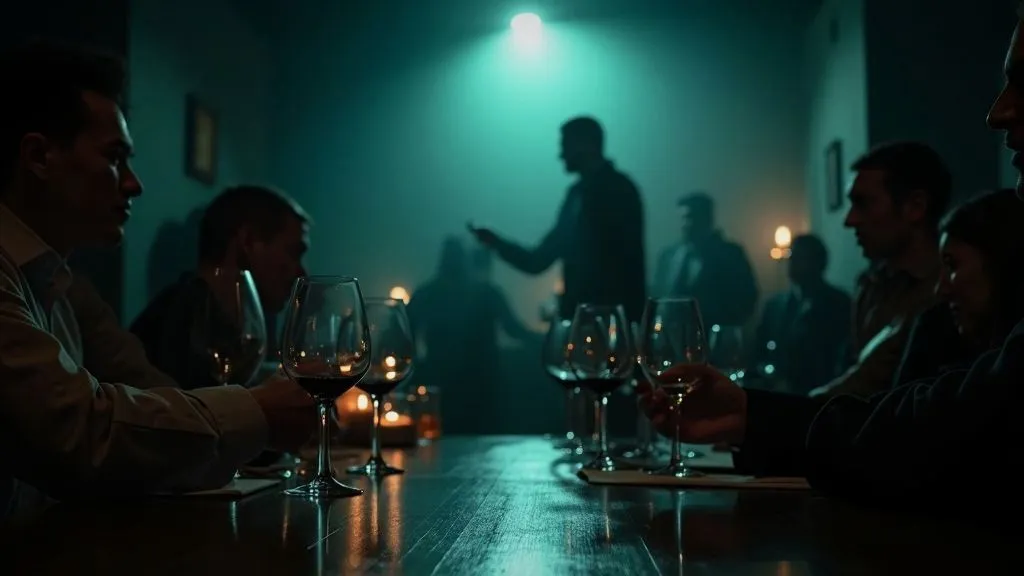
Wine tasting is an art form that goes beyond simply sipping a glass of your favorite vintage. It encompasses a multifaceted experience that engages the senses and invites participants into a world rich with history, culture, and flavor. Whether you are a novice or a seasoned connoisseur, understanding the nuances of wine tasting can elevate your appreciation of this age-old beverage. This article delves into the fundamentals of wine tasting, exploring techniques, terminology, and tips to enhance your experience.
The Basics of Wine Tasting
Before embarking on a wine tasting journey, it’s essential to understand the basic components that contribute to the sensory experience. Wine tasting typically involves four primary steps: observing, swirling, smelling, and tasting.
Observing
When you first pour a glass of wine, take a moment to observe its color and clarity. The hue of the wine can reveal information about its age and grape variety. For instance, a young red wine may exhibit vibrant purple or ruby tones, while an older red may show brick or tawny shades. White wines can range from pale straw to deep gold, depending on their age and grape type.
Swirling
Swirling the wine in your glass allows oxygen to interact with the liquid, releasing its aromas. This simple action not only enhances the scent but also helps you assess the wine’s viscosity, often referred to as “legs.” The way the wine clings to the glass can provide insight into its alcohol content and body.
Smelling
The olfactory sense plays a significant role in tasting wine. After swirling, bring the glass to your nose and take a few short sniffs. Try to identify the different aromas present. Common descriptors include fruity, floral, herbal, earthy, and spicy notes. Familiarizing yourself with these terms can enhance your ability to articulate what you are experiencing.
Tasting
Finally, take a sip and allow the wine to cover your palate. Pay attention to its flavors, texture, acidity, and finish. The initial taste may differ from the aftertaste, known as the finish, which can linger on the palate long after swallowing. Assessing these characteristics will help you understand the wine’s complexity and balance.
The Importance of Wine Glassware
The choice of glass can significantly impact your tasting experience. Different types of wines benefit from specific glass shapes. For example, red wines generally require larger bowls to allow for proper aeration, while white wines are often served in narrower glasses to maintain their crispness. Investing in a set of quality wine glasses can enhance both the aroma and flavor of the wine, making your tasting experience more enjoyable.
Developing Your Palate
As you venture deeper into the world of wine, developing your palate becomes an integral part of your journey. Here are some tips to help you refine your tasting skills.
Keep a Tasting Journal
Documenting your tasting experiences can be incredibly beneficial. Create a journal to record your impressions of each wine, noting aspects such as aromas, flavors, and overall enjoyment. This practice not only helps you remember your favorites but also allows you to identify patterns in your preferences over time.
Explore Different Varietals
Don’t limit yourself to a few favorite varietals. Exploring a wide range of wines can expose you to new flavors and styles. Attend tastings or seek recommendations from knowledgeable staff at wine shops to discover lesser-known grape varieties and regions.
Experiment with Food Pairings
Food can dramatically alter the perception of wine. Experimenting with various pairings at home allows you to see how flavors interact. Take note of which combinations elevate your tasting experience and which do not. This practice will deepen your understanding of both wine and culinary elements.
Wine Tasting Etiquette
Understanding proper etiquette can enhance the social aspects of wine tasting. Here are a few essential points to keep in mind:
Be Respectful of Others
Wine tastings are often social events, and it’s important to respect other tasters. Avoid dominating the conversation and allow everyone the opportunity to share their thoughts. Encourage dialogue and be open to differing opinions.
Spit or Swallow
At formal tastings, spitting is standard practice. This allows you to taste a variety of wines without consuming too much alcohol. However, in less formal settings, it’s perfectly acceptable to swallow. Just be mindful of your limits and pace yourself.
Ask Questions
Don’t hesitate to ask questions, whether you’re at a tasting or visiting a winery. Wine professionals are often eager to share their knowledge and can provide valuable insights into the wines you are sampling.
Conclusion: The Joy of Wine Tasting
Wine tasting is a personal and communal experience that invites exploration and discovery. By honing your skills, developing your palate, and engaging with others, you can fully appreciate the complexities of wine. As you embark on this journey, remember that each glass tells a story—of the land, the grapes, and the people behind it. So, raise your glass and dive into the rich tapestry that is the world of wine tasting. Cheers!