The Role of Oak Aging in Developing Wine's Character and Depth
By Caleb Patel · · 4 min read
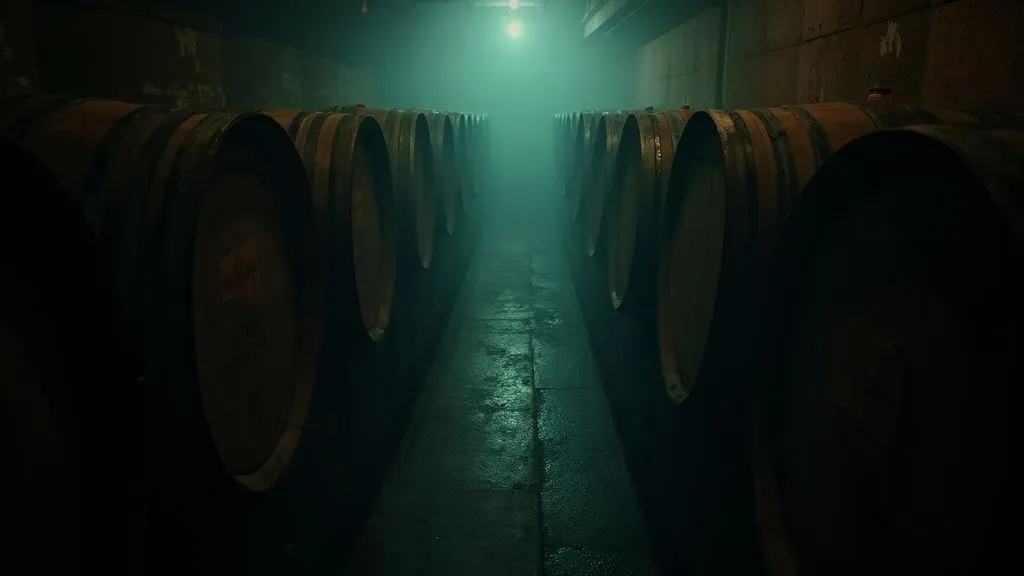
Oak aging is an integral part of wine production that significantly contributes to a wine’s complexity and taste. This relatively simple process involves aging wine in barrels made from oak trees, and its effects can be profound. In this article, we will explore the various aspects of oak aging, including types of oak, the aging process itself, and how these factors combine to shape the wine’s final profile.
The Types of Oak Used in Wine Aging
When it comes to oak barrels, the choice of wood can influence the flavor and aroma of the wine. The two main types of oak used in winemaking are French oak and American oak, each imparting distinct characteristics.
French Oak
French oak is highly prized in the winemaking community. Its grain is tighter than American oak, resulting in a slower extraction of flavors. This oak typically contributes subtle notes of spice, vanilla, and toasted nuts to the wine. The tannins found in French oak are also softer, which means they integrate more seamlessly into the wine, adding complexity without overwhelming the fruit flavors.
American Oak
In contrast, American oak barrels offer bolder flavors and aromas. The grains are wider and allow for a more rapid extraction of compounds. As a result, wines aged in American oak often exhibit pronounced notes of coconut, vanilla, and caramel. This oak is particularly popular in producing robust red wines and some white wines, as it imparts a more pronounced influence on the final product.
Other Variants
Other oaks, like Hungarian or Eastern European oak, are also used, though they are less common. These oaks can present a middle ground between the characteristics of French and American oak, adding unique flavors to wines that may not be found in those aged solely in either type.
The Aging Process: Time and Environment
The process of oak aging is not just about the type of wood but also about how long the wine interacts with the barrel and the conditions in which it is stored.
Time in the Barrel
The length of time a wine spends in oak barrels varies significantly depending on the desired outcome. Some wines may only require a few months, while others benefit from years of aging. For instance, lighter-bodied white wines typically spend less time in oak compared to full-bodied reds, which may age for several years to develop their flavor profiles fully.
Influence of Environment
The storage conditions also play a crucial role in the aging process. Factors such as temperature, humidity, and exposure to light can all affect how the wine interacts with the oak. Ideal conditions allow for slow oxidation, which softens tannins and helps to integrate the wine’s flavors. This gradual process can lead to a more harmonious and nuanced final product.
The Chemistry Behind Oak Aging
Understanding the science of oak aging can deepen our appreciation of the wines produced through this method.
Extraction of Compounds
When wine is placed in an oak barrel, various compounds are extracted from the wood. These include tannins, lignins, and hemicellulose. Tannins contribute to the wine’s structure and mouthfeel, while lignins can impart flavor and aroma compounds. Hemicellulose can break down over time, releasing sugars that can enhance the wine’s sweetness.
Micro-oxidation
One of the key benefits of oak aging is micro-oxidation. Unlike stainless steel or glass containers, oak barrels are porous, allowing small amounts of oxygen to permeate the wine. This controlled exposure leads to the development of complex flavors and aromas while softening the tannins, resulting in a smoother mouthfeel. Micro-oxidation also enhances color stability, making the wine more visually appealing.
Flavors and Aromas: Impact on Wine Profile
The characteristics imparted by oak aging can vary widely depending on several factors, including the type of oak, the toast level of the barrel, and the duration of aging.
Toasting Levels
Barrels are often toasted on the inside before use to enhance flavor extraction. The degree of toasting—light, medium, or heavy—determines the intensity of the flavors that will be imparted. Lightly toasted barrels may contribute subtle vanilla and floral notes, while heavily toasted barrels can introduce bold flavors of smoke, chocolate, and caramel.
Balancing Act
Achieving balance is crucial in oak aging. Winemakers must ensure that the oak does not overshadow the fruit character but instead complements it. The skill lies in knowing how long to age the wine and the right type of barrel to use. Each decision contributes to the ultimate goal of creating a harmonious wine that showcases the best attributes of its grape source.
Conclusion: The Art and Science of Oak Aging
Oak aging is a fascinating interplay between tradition and chemistry. It enhances the wine’s complexity and depth, allowing winemakers to express their unique styles. The choice of oak type, the aging time, and the environmental conditions all contribute to the final character of the wine, resulting in a product that tells a story of its own.
Understanding oak aging not only enriches our appreciation of wine but also illustrates the intricate processes that transform simple grape juice into a complex and enjoyable beverage. Whether you are a casual wine drinker or a seasoned connoisseur, recognizing the nuances of oak aging can elevate your tasting experience to new heights.